Understanding Your Heating Options
When winter temperatures drop and heating bills start climbing, most homeowners face a critical decision: which heating system offers the best combination of efficiency and cost-effectiveness? The answer might surprise you. After decades of research and real-world performance data, scientists and energy experts have reached a clear consensus about which heating solution delivers superior results.
The heating industry has evolved dramatically over the past two decades. Gone are the days when homeowners had only a handful of basic options. Today's market offers everything from traditional furnaces to cutting-edge heat pumps, and each technology comes with its own set of advantages and trade-offs. Understanding these differences is essential for making an informed decision that will impact your comfort and wallet for years to come.
Heat Pumps: The Science-Backed Winner
Research consistently demonstrates that heat pump technology represents the most efficient and economical heating solution for most climates and applications. This conclusion comes from extensive studies conducted by energy departments, independent laboratories, and real-world deployment data across thousands of homes.
Heat pumps work on a fundamentally different principle than traditional heating systems. Rather than generating heat through combustion or electrical resistance, they transfer heat from one location to another. Even in cold weather, heat exists in the outdoor air, and modern heat pumps can extract and concentrate this energy to warm your home efficiently.
Why Heat Pumps Excel
The efficiency advantage of heat pumps is measured in terms of Coefficient of Performance (COP). While traditional electric heaters have a COP of 1.0 (meaning one unit of electricity produces one unit of heat), modern heat pumps achieve COP values between 3.0 and 4.0 in moderate climates. This means they deliver three to four times more heating energy than the electrical energy they consume.
Several factors contribute to this superior performance:
- Thermodynamic efficiency: Heat pumps leverage the laws of physics rather than fighting against them, making them inherently more efficient than resistance-based systems
- Variable speed compressors: Modern units adjust their output based on actual heating demand, reducing energy waste during partial-load conditions
- Advanced refrigerants: New refrigerant formulations improve heat transfer capabilities while reducing environmental impact
- Smart controls: Integration with smart thermostats and building management systems optimizes operation based on weather patterns and occupancy
Comparing Major Heating Systems
To understand why heat pumps stand out, it's helpful to examine how they stack up against other common heating technologies:
| Heating System | Average Efficiency | Annual Operating Cost (per 10,000 BTU) | Carbon Footprint | |---|---|---|---| | Air Source Heat Pump | 300-400% | $150-200 | Low | | Ground Source Heat Pump | 400-600% | $120-160 | Very Low | | Natural Gas Furnace | 90-95% | $300-400 | Moderate-High | | Oil Furnace | 85-90% | $400-500 | High | | Electric Resistance | 100% | $600-800 | High | | Hybrid Systems | 250-350% | $180-250 | Low-Moderate |
These figures demonstrate the clear economic advantage heat pumps maintain over conventional systems. The efficiency gap widens even further when you factor in rising energy costs and environmental considerations.
The Climate Consideration
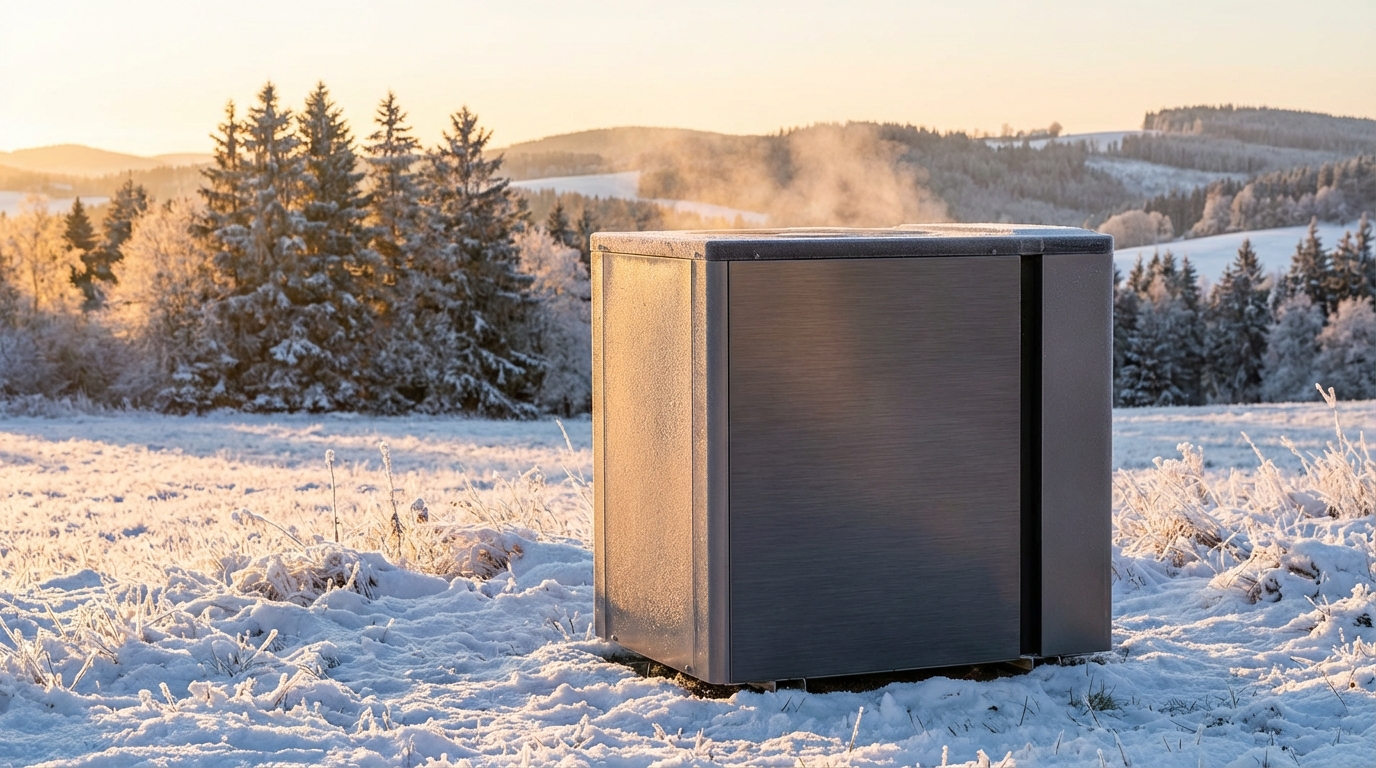
One common misconception suggests that heat pumps don't work well in cold climates. Modern research has thoroughly debunked this claim. Today's cold-climate heat pumps maintain excellent efficiency even at temperatures well below freezing.
Advanced technologies enable this performance:
- Variable refrigerant flow systems adjust refrigerant circulation to optimize performance across wide temperature ranges
- Inverter-driven compressors maintain efficiency at partial loads, which is common during milder winter days
- Auxiliary heating elements provide supplemental warmth during extreme cold snaps, though they're rarely needed with quality modern units
- Defrost cycles prevent ice buildup on outdoor coils, maintaining consistent heat transfer
Energy agencies in northern states and countries like Canada, Sweden, and Norway have documented that air-source heat pumps deliver superior performance and economics compared to natural gas furnaces, even in regions experiencing temperatures regularly below minus 20 degrees Celsius.
Installation and Upfront Costs
The primary barrier to heat pump adoption isn't performance or operating costs—it's the initial investment. Heat pump systems typically cost 20-40% more to install than traditional furnaces. However, this upfront premium gets recouped through lower operating expenses.
The payback period varies based on several factors:
- Local energy prices: Regions with high electricity costs relative to natural gas may see longer payback periods, though this gap is narrowing as utility rates shift
- Climate zone: Homes in moderate climates see faster payback because heat pumps operate more efficiently year-round
- Current system age: Replacing an aging furnace with a heat pump shortens the payback period compared to replacing a relatively new system
- Available incentives: Federal tax credits, state rebates, and utility programs can reduce net installation costs by 30-50%
Most analyses show that homeowners recoup their investment within 7-10 years through energy savings, with the system continuing to deliver savings for its 15-20 year lifespan.
Government Support and Incentives
Recognizing the environmental and economic benefits of heat pumps, governments worldwide have implemented substantial incentive programs. These financial support mechanisms significantly improve the economics of switching to heat pump technology.
Current incentive landscape includes:
- Federal tax credits covering 30-50% of installation costs
- State and local rebate programs offering additional savings
- Utility company incentives for switching from fossil fuel systems
- Favorable financing programs with extended terms and reduced interest rates
- Grants for low-income households to improve home heating efficiency
Before making a purchase decision, research available programs in your area. These incentives can reduce your net investment substantially, sometimes making heat pump installation cost-competitive with traditional furnace replacement.
Making the Right Choice for Your Home
While heat pumps represent the most efficient and economical choice for most situations, individual circumstances vary. Consider these factors when evaluating your heating options:
Heat pumps work best when you have:
- Access to outdoor space for the external unit
- Adequate electrical service capacity (or willingness to upgrade)
- Plans to stay in the home for at least 7-10 years
- Interest in reducing environmental impact
- A climate that isn't extremely cold or a willingness to accept auxiliary heating during rare extreme cold events
Traditional furnaces might still make sense if you:
- Have very limited upfront capital available
- Plan to move within 5-7 years
- Live in an area with extremely cheap natural gas
- Have existing ductwork that's in excellent condition and you want to avoid major modifications
The Bottom Line
The scientific evidence is overwhelming: heat pump technology delivers superior efficiency and long-term economics compared to traditional heating systems. Modern heat pumps work reliably in cold climates, maintain excellent performance across varying conditions, and provide measurable savings on energy bills year after year.
The combination of improved technology, declining equipment costs, and generous government incentives makes this the ideal time to consider upgrading to a heat pump system. Whether you're building a new home or replacing an aging furnace, heat pump technology represents the most rational choice from both environmental and financial perspectives.
The question isn't whether heat pumps are effective and economical—the science settled that years ago. The real question is whether now is the right time for you to make the switch.