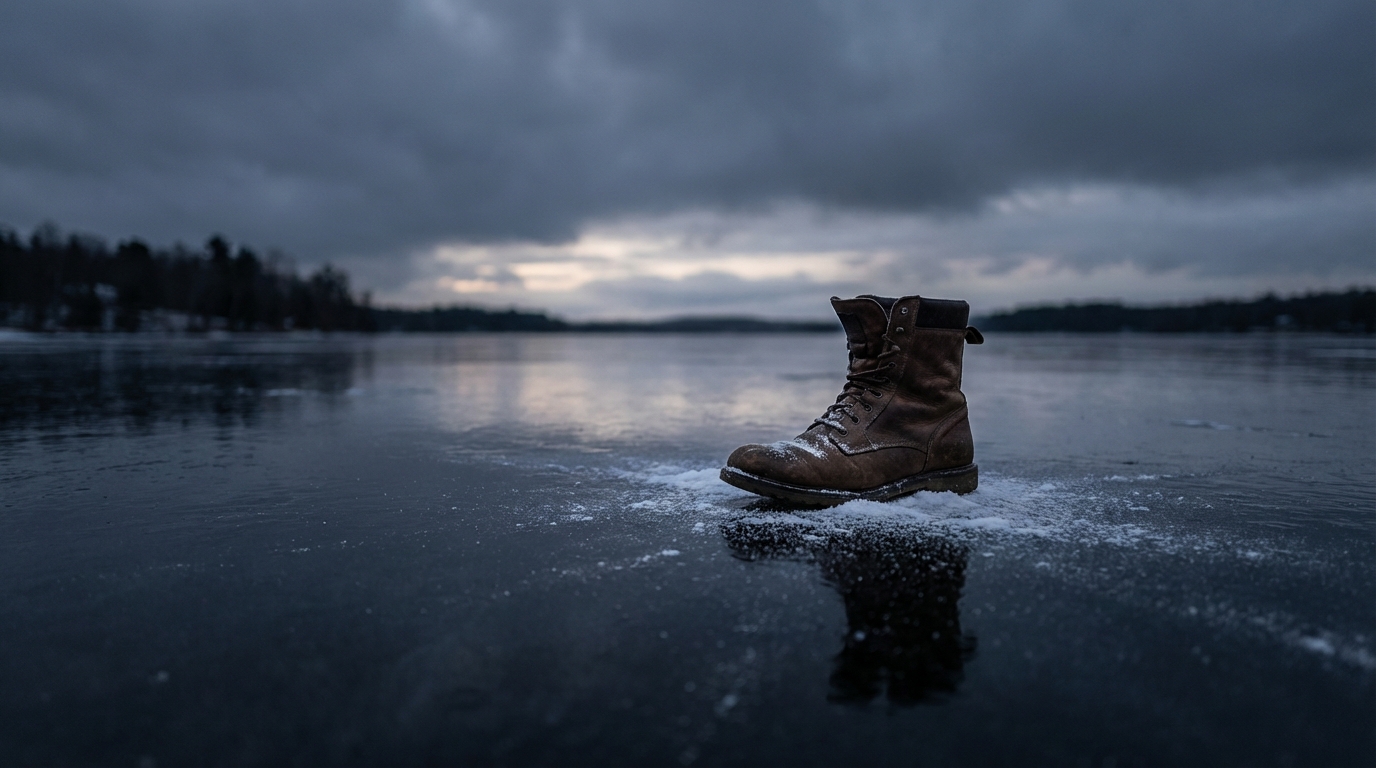
Winter brings a magical landscape of frost and snow, but it also brings serious safety hazards that can leave you injured and sidelined. Black ice and slippery surfaces are responsible for thousands of preventable accidents each year, yet many people underestimate the danger. The good news? With the right knowledge and preparation, you can significantly reduce your risk of taking a tumble on icy or snowy terrain.
Whether you're commuting to work, running errands, or simply enjoying outdoor activities, understanding how to navigate winter conditions safely is crucial. This guide walks you through practical strategies that will help you stay on your feet when temperatures drop and surfaces freeze.
Understanding the Winter Slip Hazard
Before we dive into prevention strategies, it's worth understanding what makes winter walking so treacherous. Black ice forms when moisture freezes on pavement, creating an almost invisible layer that's incredibly slippery. Unlike regular snow, which you can see and prepare for, black ice catches people off guard because it blends seamlessly with the road surface.
Snow-covered sidewalks and pathways present their own challenges. Compacted snow becomes as slippery as ice, while fresh snow can hide dangerous obstacles beneath its surface. Understanding these conditions helps you approach winter walking with appropriate caution.
1. Invest in Proper Winter Footwear
Your shoes are your first line of defense against slipping on ice and snow. Regular sneakers or dress shoes simply won't cut it when surfaces are frozen.
What to look for:
- Boots with deep treads designed for winter conditions
- Insulated waterproof materials to keep feet warm and dry
- Soles with exceptional grip, such as those made from rubber compounds specifically engineered for cold temperatures
- Boots that provide ankle support to prevent twisting injuries
Specialized winter boots with studs or micro-spikes offer maximum traction on ice. While they may seem pricey, they're a worthwhile investment for your safety and peace of mind.
2. Master Your Walking Technique
How you walk matters just as much as what you wear on your feet. Adjusting your gait during winter months can dramatically reduce your fall risk.
Key walking principles for icy conditions:
- Take smaller, slower steps than usual
- Keep your center of gravity low by bending slightly at the knees
- Point your toes outward slightly to increase surface contact
- Avoid rushing, even if you're running late
- Walk as if you're treading on eggshells - with careful, deliberate movements
- Keep your hands free and out of your pockets for balance
The instinct to hurry through winter weather is strong, but patience is your greatest asset. A few extra minutes is worth avoiding a serious injury.
3. Watch for Hidden Black Ice Danger Zones
Not all surfaces freeze equally. Certain areas are particularly prone to black ice formation and deserve extra attention.
High-risk locations include:
- Bridges and overpasses (they freeze before regular roads)
- Shaded areas that don't receive direct sunlight
- Parking lots and driveways
- Stairs and ramps
- Areas near storm drains where water collects
- Intersections where salt from roads hasn't been applied
Pay special attention during early morning and late evening hours when temperatures are coldest and black ice is most likely to form.
4. Use Ice Melt and Traction Aids
Chemical ice melts and traction products can significantly improve your safety on slippery surfaces.
Options to consider:
- Rock salt: affordable but can be harsh on pets and shoes
- Calcium chloride: works at lower temperatures than rock salt
- Magnesium chloride: less corrosive alternative
- Sand or kitty litter: non-chemical options that provide grip
- Specialized ice melt products: often safer for pets and plants
If you're responsible for maintaining a property, apply these products proactively before snow and ice accumulate. If you're walking on someone else's property, carry a small container of sand or kitty litter in your bag for emergency traction.
5. Dress Appropriately for Winter Conditions
Proper clothing extends beyond just staying warm - it affects your balance and mobility.
Smart winter dressing tips:
- Wear layers that you can adjust as needed
- Avoid bulky coats that restrict arm movement (you need free arms for balance)
- Choose pants that don't drag on the ground and catch on your boots
- Keep your vision clear by wearing appropriate eyewear to prevent snow glare
- Protect your extremities to maintain circulation and sensation
Layering allows you to move freely while staying warm, which is essential for maintaining balance on slippery surfaces.
6. Slow Down and Plan Your Route
Rushing is one of the biggest contributors to winter falls. Before heading out, take time to plan your journey.
- Identify the safest route with the best maintained sidewalks
- Allow extra travel time so you're not tempted to hurry
- Check weather forecasts and road conditions before leaving
- Consider postponing non-essential trips during severe winter weather
- Use your smartphone to locate businesses or services closer to home
Strategic planning prevents the panic that leads to careless movement on ice and snow.
7. Use Walking Aids When Needed
There's no shame in using tools that enhance your safety. Walking aids are particularly helpful for older adults or anyone with balance concerns.
Helpful devices include:
- Walking sticks or canes with rubber tips
- Trekking poles for outdoor winter activities
- Grab bars or railings when available
- Specialized walking poles designed for winter conditions
These tools provide additional points of contact with the ground, dramatically improving stability.
8. Stay Alert and Aware
Your mental state directly impacts your physical safety. Distractions are dangerous in winter conditions.
- Avoid using your phone while walking on slippery surfaces
- Remove headphones so you can hear potential hazards
- Stay sober - alcohol impairs balance and judgment
- Be aware of other pedestrians and traffic
- Watch for vehicles that may have difficulty stopping on icy roads
Mindfulness transforms your winter walk from a mindless routine into an intentional, careful journey.
9. Know How to Fall Safely
Despite your best efforts, you might still slip. Knowing how to fall can minimize injury.
If you feel yourself falling:
- Try to stay relaxed rather than tensing up
- Attempt to land on your side rather than directly on your back or hip
- Roll with the fall rather than fighting it
- Protect your head and hands if possible
- Seek medical attention for any pain or swelling
While prevention is always preferable, understanding emergency response gives you another layer of protection.
Preparing Your Home and Surroundings
Prevention extends beyond personal behavior. If you're a property owner or manager, maintain safe conditions for visitors and residents.
- Clear snow and ice promptly from walkways
- Apply salt or other traction products regularly
- Maintain proper drainage to prevent ice formation
- Install handrails on stairs and ramps
- Ensure adequate lighting for early morning and evening hours
- Keep pathways clear of obstacles
Creating safe environments benefits everyone in your community, not just yourself.
When Winter Weather Becomes Severe
Some days are simply too dangerous for walking outdoors. Recognize when conditions exceed safe limits.
- Stay home during severe ice storms or blizzards
- Use alternative transportation when possible
- Ask for help with errands if you're at higher risk
- Keep emergency supplies on hand in case you're stuck at home
There's no prize for braving dangerous conditions. Your safety is worth the inconvenience of staying home.
Taking Action This Winter
Winter slip and fall prevention isn't complicated, but it does require commitment and attention. Start by evaluating your current footwear and walking habits. Invest in proper boots if needed. Practice the walking techniques described here until they become second nature.
Share these tips with family members, especially older adults and children who may be more vulnerable to winter injuries. Create a culture of winter safety in your home and workplace. By implementing these nine strategies, you'll navigate the cold season with confidence and significantly reduce your risk of falling on ice and snow.
The winter season doesn't have to be dangerous. With preparation, awareness, and the right tools, you can enjoy winter activities while keeping yourself and others safe.