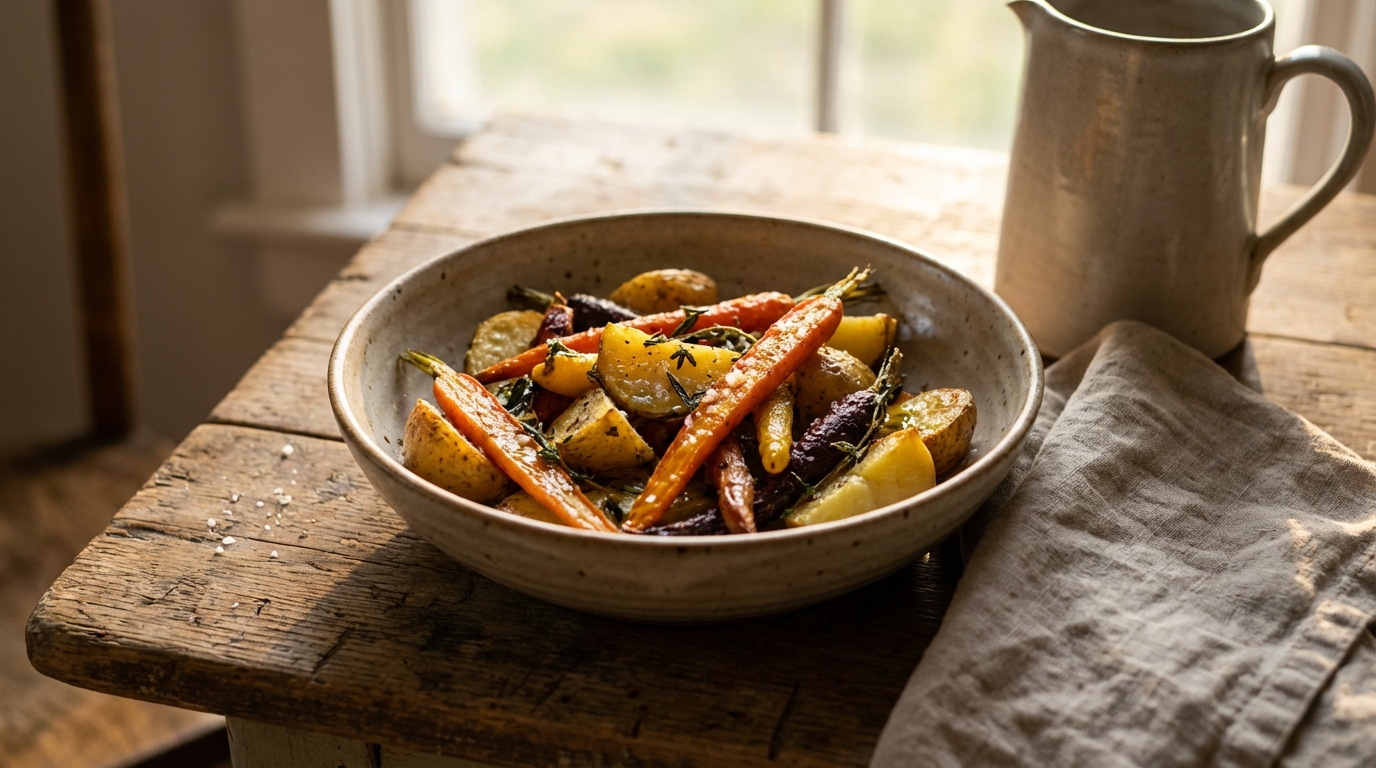
There's something magical happening in kitchens across Europe right now. A humble, centuries-old dish is experiencing a renaissance, and it's capturing the hearts of renowned food enthusiasts. This isn't just any comfort food – it's a low-calorie peasant dish that's quietly dethroning classics like gratin dauphinois from their pedestals. What makes this culinary comeback so remarkable? Let's explore why this simple yet satisfying meal is becoming the darling of modern gastronomy.
The Rise of Rustic Simplicity
In an era dominated by elaborate plating and molecular gastronomy, there's a growing appetite for authenticity. Food critics and home cooks alike are rediscovering the charm of traditional peasant cuisine. These dishes, born from necessity and passed down through generations, carry stories of resourcefulness and genuine flavor.
The low-calorie peasant dish gaining traction today represents everything modern diners crave: wholesome ingredients, minimal processing, and maximum satisfaction. Unlike its heavier counterparts, this traditional preparation respects both your palate and your waistline.
What Makes This Peasant Dish Special
Nutritional Excellence Without Compromise
The appeal of this low-calorie peasant dish lies in its intelligent simplicity. Traditionally crafted from humble ingredients like:
- Root vegetables (potatoes, turnips, carrots)
- Leafy greens (cabbage, kale, spinach)
- Legumes (lentils, beans)
- Minimal fat and protein sources
- Fresh herbs and aromatic vegetables
This combination creates a naturally light yet deeply nourishing meal. The nutritional profile impresses nutritionists while the flavor satisfies even the most discerning palates.
The Texture and Flavor Profile
What distinguishes this low-calorie peasant dish from modern diet food is its authentic taste. There's no artificial substitution, no compromise on flavor. The vegetables develop natural sweetness through slow cooking, while herbs add complexity that belies the dish's humble origins.
The cooking method – typically a gentle simmer or braise – allows flavors to meld while maintaining the integrity of each ingredient. This technique has been perfected over centuries, making it far more sophisticated than it appears.
Why It's Outshining Traditional Favorites
The Gratin Dauphinois Challenge
For decades, gratin dauphinois held court as the ultimate comfort food. Layers of potatoes, cream, and butter created an undeniably delicious but decidedly heavy dish. The new low-calorie peasant dish offers a compelling alternative.
Compare the two side by side:
| Aspect | Low-Calorie Peasant Dish | Gratin Dauphinois | |--------|--------------------------|------------------| | Calories (per serving) | 150-200 | 400-500 | | Preparation time | 45-60 minutes | 60-90 minutes | | Cream content | Minimal to none | Substantial | | Vegetable variety | Multiple types | Primarily potatoes | | Digestibility | Light, easy | Heavy, rich | | Modern appeal | High | Moderate |
The Celebrity Endorsement Factor
When respected food critics champion a dish, it carries weight. The enthusiasm from culinary authorities has transformed this peasant classic from overlooked to essential. This isn't marketing – it's genuine appreciation for a dish that delivers on all fronts: taste, nutrition, and cultural authenticity.
The Modern Preparation
Today's home cooks are discovering that this low-calorie peasant dish adapts beautifully to contemporary techniques while honoring tradition. Here's why it's so versatile:
Slow cooking methods bring out natural sweetness and create tender vegetables without added fat. A simple vegetable broth replaces heavy cream, maintaining richness through flavor rather than calories.
Layering techniques build complexity. Each ingredient is treated respectfully, contributing its unique characteristics to the whole. This is peasant cooking at its finest – making something magnificent from simple components.
Seasonal variations keep the dish fresh and interesting. Spring versions might feature young vegetables and fresh herbs, while autumn preparations showcase root vegetables and heartier greens.
Health Benefits Beyond Calories
The appeal of this low-calorie peasant dish extends far beyond weight management. It offers genuine nutritional advantages:
- High fiber content supports digestive health and sustained energy
- Rich micronutrient profile from diverse vegetables provides vitamins and minerals
- Natural antioxidants from herbs and vegetables support overall wellness
- Low glycemic impact prevents blood sugar spikes
- Satisfying portions provide fullness without excess calories
This isn't deprivation masquerading as health food – it's genuinely nourishing cuisine.
Bringing It Home: How to Embrace This Trend
Starting Your Journey
The beauty of this low-calorie peasant dish is its accessibility. You don't need specialty ingredients or advanced cooking skills. Begin with quality vegetables from your local market, fresh herbs, and good vegetable broth.
Simple Execution Steps
- Select 3-4 complementary vegetables (mix textures and colors)
- Cut vegetables into uniform sizes for even cooking
- Sauté aromatic vegetables (onions, garlic) in minimal oil
- Add remaining vegetables and herbs
- Cover with broth and simmer gently until vegetables are tender
- Season to taste with salt, pepper, and fresh herbs
The entire process takes roughly an hour, much of it hands-off cooking time.
Customization Ideas
This low-calorie peasant dish welcomes creativity. Consider adding:
- Different legumes for protein variety
- Seasonal vegetables for freshness
- Various herbs for flavor exploration
- A splash of vinegar or wine for acidity
- Whole grains mixed in for additional sustenance
The Bigger Picture
The resurgence of this low-calorie peasant dish reflects broader culinary trends. We're moving away from the notion that healthy eating requires sacrifice or artificial ingredients. Instead, we're returning to time-tested wisdom – simple, whole foods prepared with care and respect.
This shift represents something important: the recognition that traditional peasant cuisine wasn't just born from necessity but refined through generations into something genuinely excellent. These dishes survived because they worked – they nourished people, satisfied them, and brought communities together.
Food critics championing this low-calorie peasant dish aren't endorsing a trend. They're acknowledging that sometimes the oldest solutions are the best ones.
Your Next Move
If you haven't yet experienced this low-calorie peasant dish, now is the perfect time. Whether you're motivated by health goals, culinary curiosity, or simply the desire for authentic, satisfying food, this humble classic delivers.
Start with a simple preparation this week. Notice how the natural flavors develop, how satisfying each spoonful becomes, and how you feel afterward. You might just discover why food enthusiasts are so enthusiastic about this timeless dish.
The peasant kitchen has wisdom to share. All we need to do is listen – and taste.