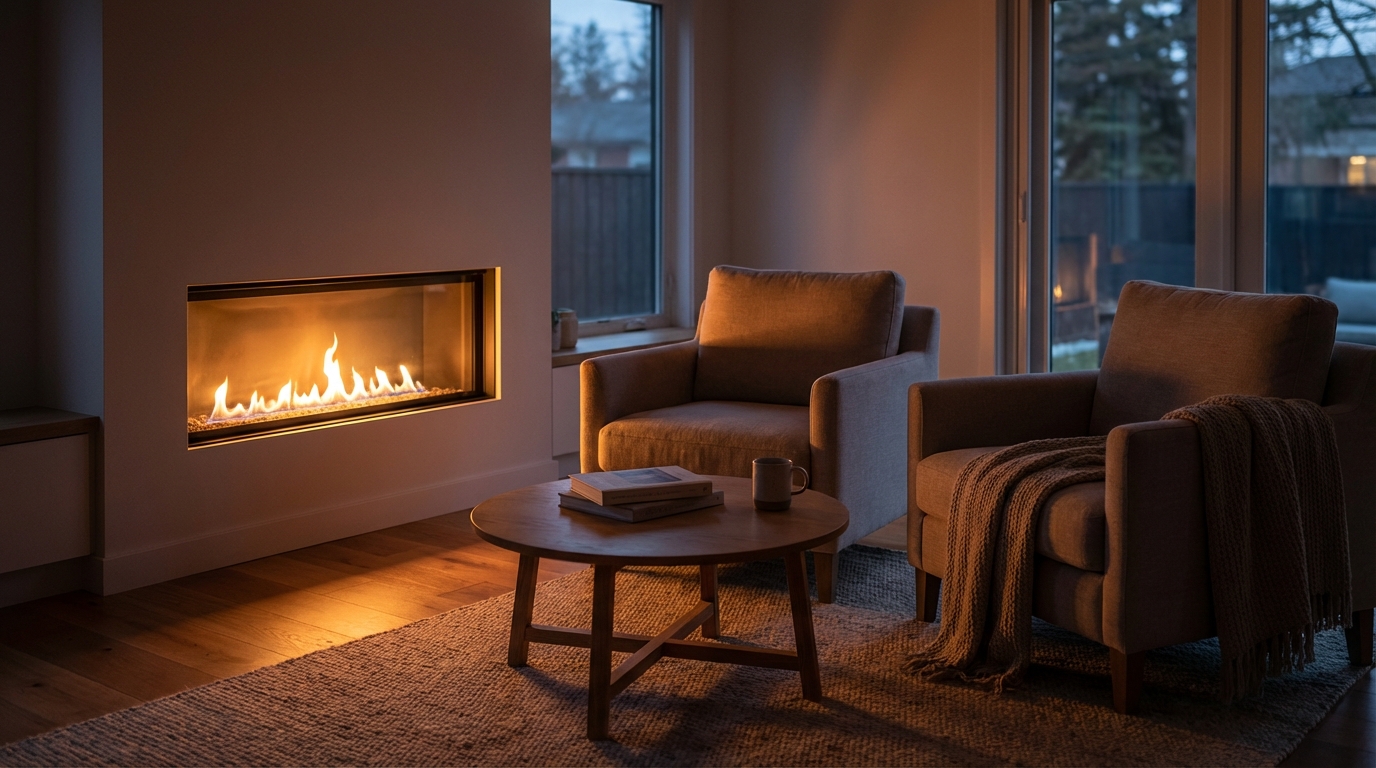
For years, the 19°C heating rule has been the golden standard for keeping homes warm while managing energy consumption. But times are changing, and so are expert recommendations. Recent studies and guidance from leading energy specialists suggest that this long-held belief may no longer be the most practical or comfortable approach for modern living. Let's explore what the latest research reveals and how you should actually be heating your home.
The 19°C Myth: Why It Became the Standard
The 19-degree Celsius recommendation emerged decades ago as a compromise between comfort and energy efficiency. During energy crises and periods of rising fuel costs, this temperature became synonymous with responsible heating practices. Governments, energy agencies, and environmental organizations promoted it as the optimal balance—warm enough to prevent health issues, yet cool enough to keep utility bills manageable.
However, this one-size-fits-all approach didn't account for modern building improvements, changing lifestyles, or individual health needs. What worked as a general guideline in the 1970s doesn't necessarily apply to today's homes and inhabitants.
What Recent Studies Reveal
Contemporary research from heating experts and thermal comfort specialists tells a different story. Studies conducted over the past few years show that:
- Individual comfort varies significantly based on age, health status, activity level, and clothing choices
- Modern insulation standards mean homes retain heat more efficiently than older properties
- Health risks increase when indoor temperatures drop below certain thresholds for vulnerable populations
- Perceived comfort directly impacts how people adjust their thermostats, often leading to higher energy use when they feel uncomfortable
The World Health Organization and various European health authorities now recommend maintaining minimum indoor temperatures between 20-21°C for general health and wellbeing, particularly in living spaces where people spend extended periods.
Expert Recommendations for Today
Rather than adhering to a rigid 19°C standard, heating professionals now suggest a more nuanced approach based on several factors:
Room-by-Room Temperature Strategy
Different spaces serve different purposes and require different temperature settings:
- Living areas and bedrooms: 20-21°C for comfort and health
- Bathrooms: 22-23°C for safety and comfort during bathing
- Kitchens: 18-19°C (cooking generates additional heat)
- Hallways and storage areas: 16-17°C to reduce energy waste
- Unoccupied rooms: 15-16°C or lower
Time-Based Heating Adjustments
Modern experts recommend adjusting temperatures based on occupancy patterns:
- Daytime when home: 21°C in living spaces
- Night and sleeping hours: 16-18°C (cooler temperatures actually promote better sleep)
- Away from home: 15-16°C to maintain basic heating while reducing consumption
- Extended absences: Lower temperatures to prevent freezing pipes while minimizing waste
Age and Health Considerations
Vulnerable populations have different heating requirements:
| Population Group | Recommended Temperature | Reason | |---|---|---| | Elderly (65+) | 21-23°C | Reduced ability to regulate body temperature | | Young children | 20-22°C | Temperature sensitivity and health protection | | Pregnant women | 20-21°C | Comfort and health during pregnancy | | People with respiratory conditions | 20-21°C | Prevents airway irritation | | Generally healthy adults | 19-20°C | Adequate comfort and efficiency |
The Energy Efficiency Angle
You might worry that abandoning the 19°C rule means skyrocketing energy bills. Interestingly, that's not necessarily the case. Here's why:
Behavioral efficiency matters more than temperature settings. When people feel uncomfortably cold, they compensate by raising the thermostat higher or using supplementary heating methods, ultimately consuming more energy. A person who feels comfortable at 20°C is less likely to boost heating to 22°C out of discomfort.
Smart heating systems now allow precise temperature control in different zones, meaning you're not heating unused rooms. This targeted approach often saves more energy than maintaining a universally low temperature throughout your home.
Improved insulation and modern boilers mean homes lose less heat, requiring less energy to maintain comfortable temperatures compared to older properties.
Practical Steps to Implement New Heating Guidelines
Making the transition from the old 19°C standard to modern recommendations doesn't require major investments:
- Install a programmable or smart thermostat that allows you to set different temperatures for different times and rooms
- Improve insulation in key areas like lofts, walls, and around windows to reduce heat loss
- Use thermostatic radiator valves (TRVs) to control temperature room by room
- Seal air leaks around doors, windows, and other openings
- Maintain your heating system with annual servicing to ensure efficiency
- Adjust clothing and use layering to feel comfortable at slightly lower temperatures
- Use draft excluders and thermal curtains in frequently used rooms
Finding Your Personal Balance
The key takeaway from modern expert recommendations is that heating should be personalized rather than standardized. Your ideal temperature depends on:
- Your age and health status
- How your home is insulated
- Your lifestyle and occupancy patterns
- The climate where you live
- Your heating system's efficiency
- Your financial situation
Rather than rigidly adhering to 19°C, conduct your own comfort assessment. Start at 19°C and gradually increase the temperature while monitoring both your comfort level and energy consumption. Most people find their sweet spot between 19-21°C depending on the room and time of day.
Looking Forward
The shift away from the universal 19°C heating rule reflects a broader movement toward smarter, more personalized energy management. As heating technology advances and our understanding of thermal comfort improves, we'll likely see even more sophisticated recommendations tailored to individual circumstances.
The bottom line: forget the outdated 19°C rule. Instead, focus on maintaining comfortable, healthy indoor temperatures while using modern heating controls and insulation improvements to keep energy consumption in check. Your comfort and wellbeing shouldn't be sacrificed for an arbitrary temperature guideline that no longer serves today's homes and lifestyles.